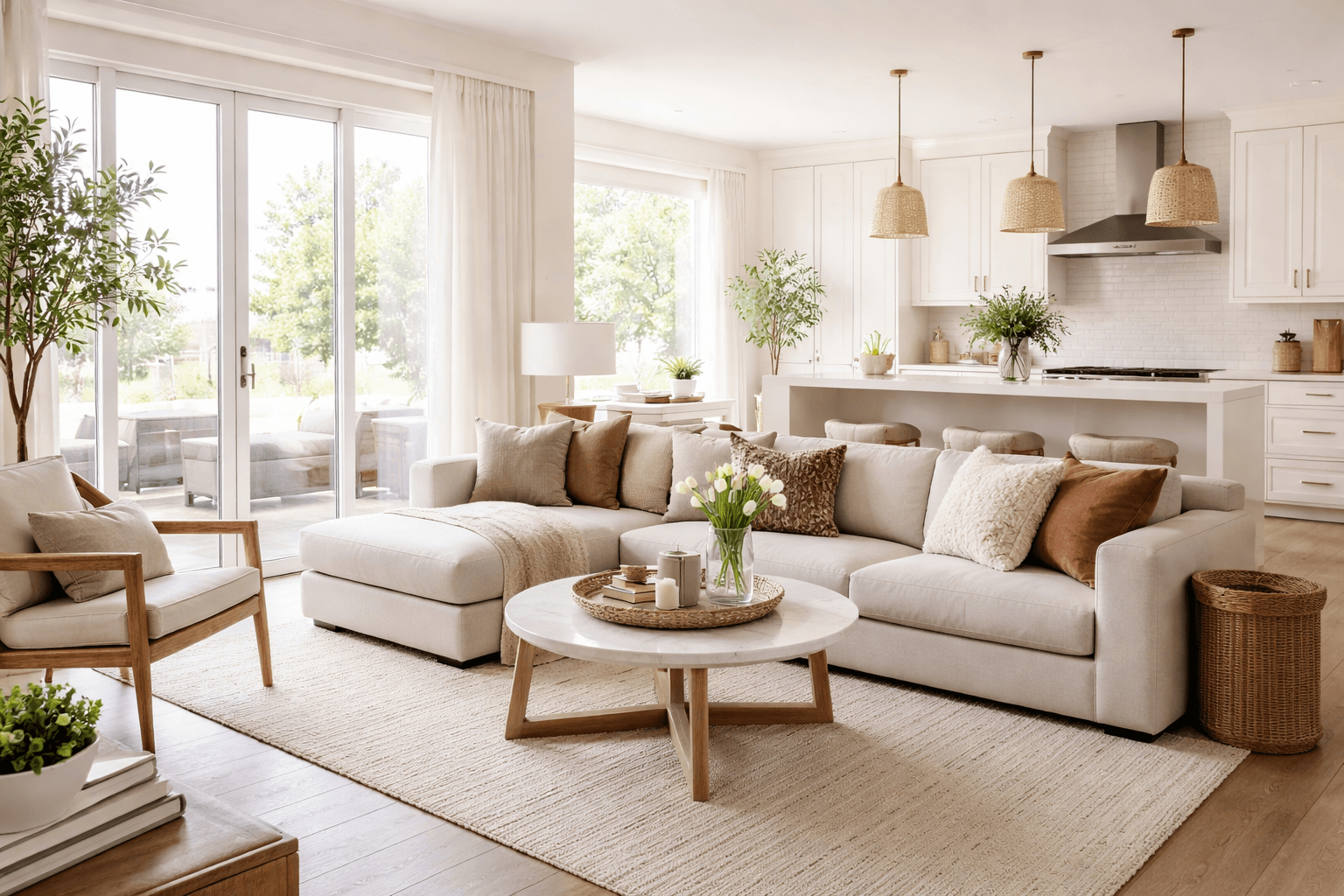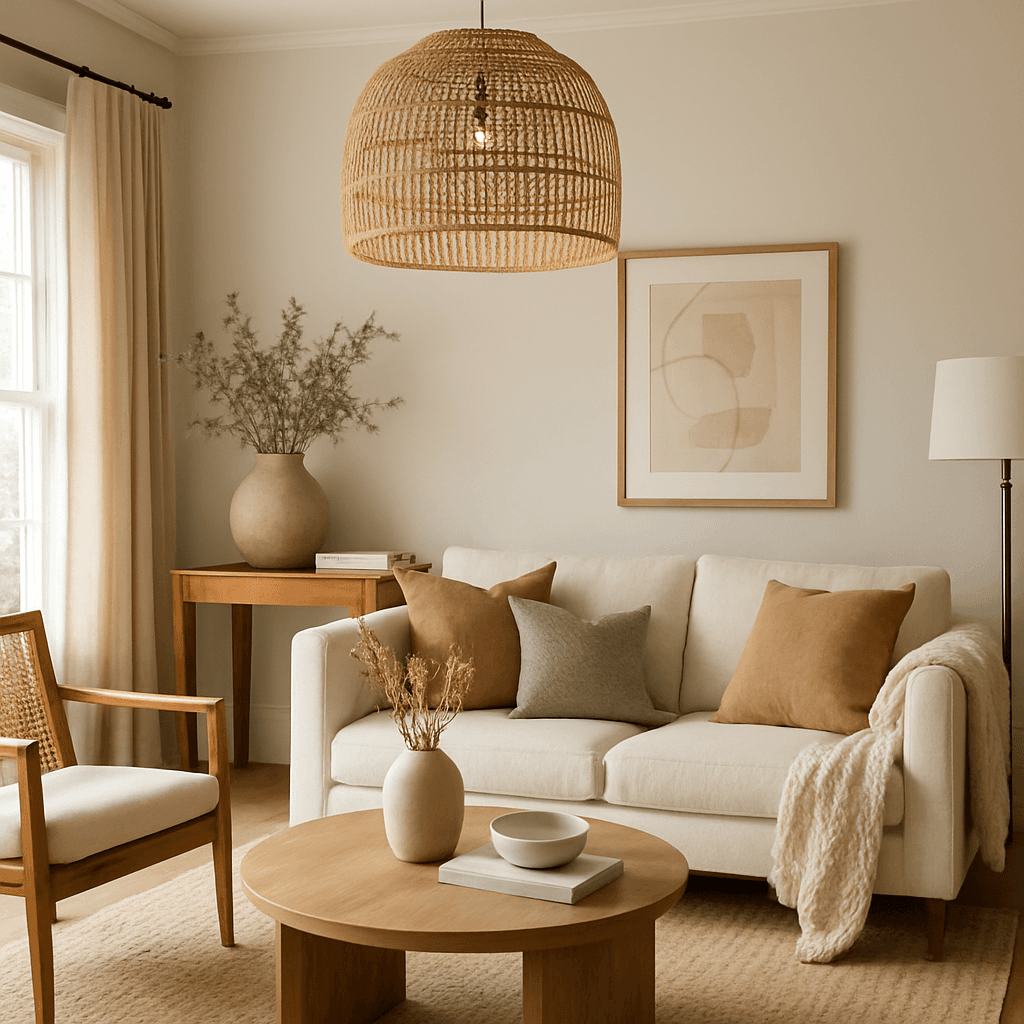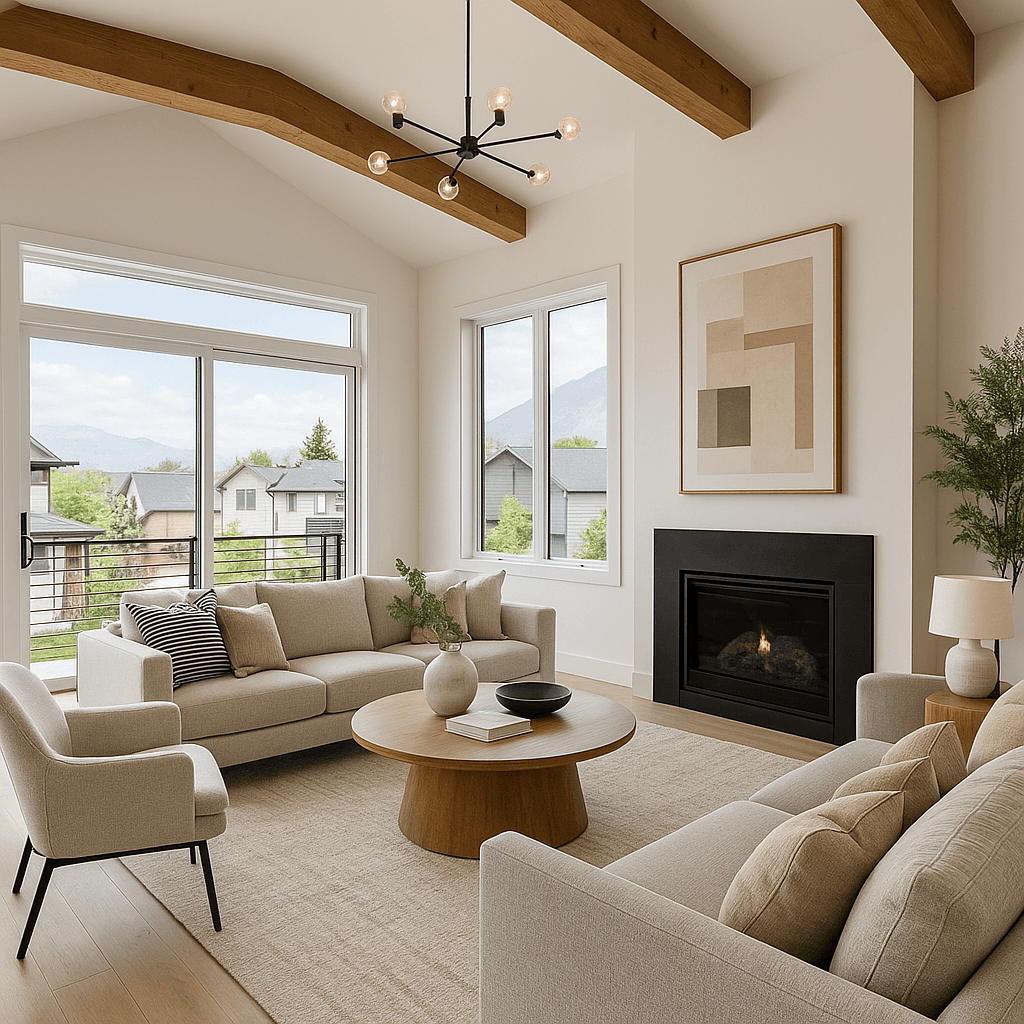
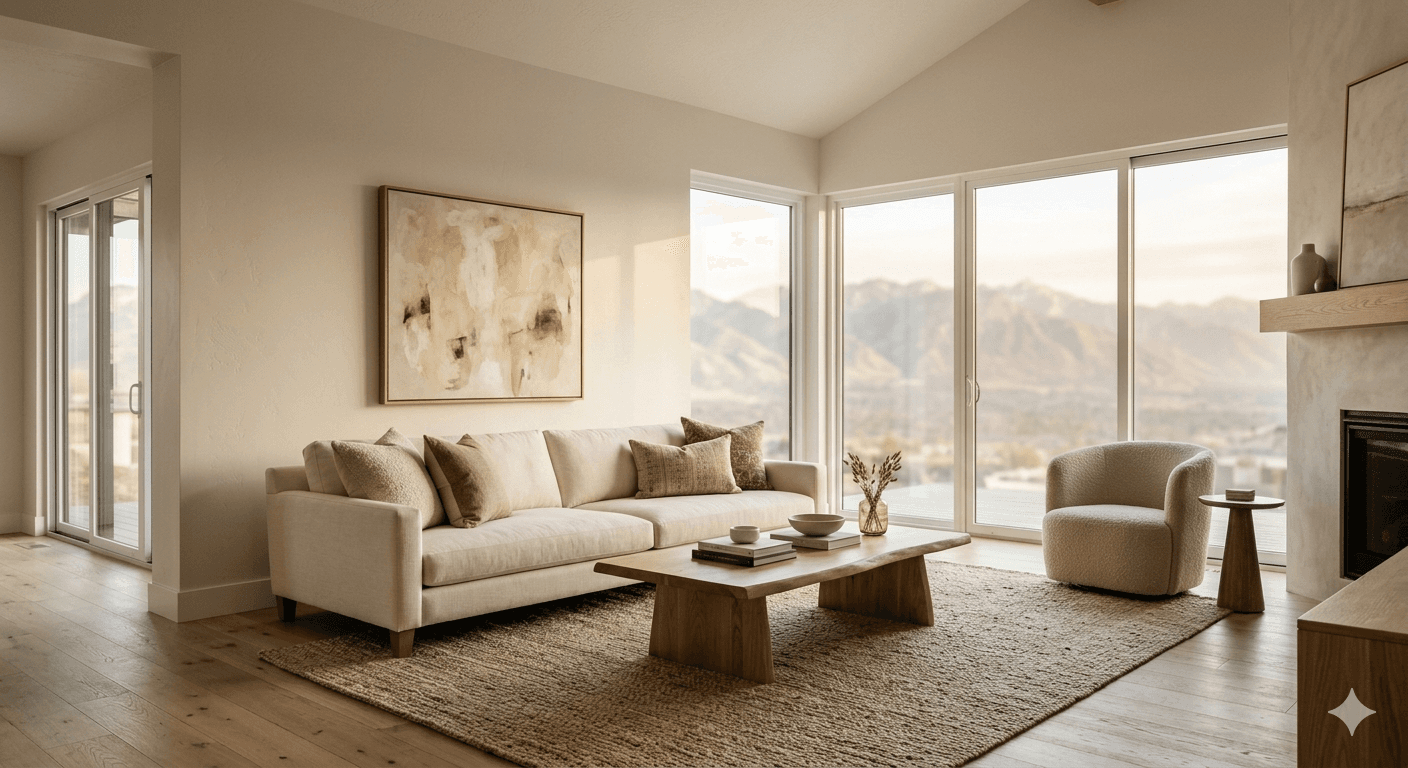
You're getting ready to sell your home in one of the most active real estate markets in the country. You've heard staging makes a difference, and you want to know: what will it actually cost, and is it worth it?
Those are exactly the right questions. Utah buyers are discerning. Whether your home is a ski condo in Park City, a four-bedroom family home in Holladay, or a starter home in Provo, the homes that sell faster and for top dollar are the ones that create an emotional connection the moment a buyer walks through the door — or clicks through the listing photos. Staging is how that connection gets built.
This guide walks through what professional home staging costs in Utah, what drives those numbers up or down, and how to think about your investment before you list.
Why Staging Matters in Utah's Market
Utah's real estate market moves quickly, and buyers have options. When a home sits, it loses leverage. When it photographs beautifully and shows well in person, it drives showings — and showings drive offers.
The psychology of homebuyers is well-documented: most buyers decide how they feel about a home within the first few minutes. That gut feeling — the sense that a space is welcoming, well-proportioned, and easy to live in — is what staging creates intentionally. It isn't decoration for decoration's sake. It's about helping a buyer see the home's full potential and picture their life inside it.
Staged homes consistently spend fewer days on market and attract stronger offers. For sellers, that's not just a quality-of-life benefit during what can be a stressful process. It's a financial outcome worth planning for.
What Determines the Cost of Home Staging in Utah
Home staging cost in Utah isn't one-size-fits-all. Several factors shape what you'll pay, and understanding them helps you budget with confidence rather than sticker shock.
Size and Scope of the Home
A larger home requires more furniture, more accessories, and more time to set up and style. A 2,000-square-foot Holladay family home and a 900-square-foot downtown SLC condo are staged very differently — not just in the number of pieces needed, but in the approach to each space.
Scope also matters: full staging (furnishing every primary room) costs more than a targeted approach that focuses on the living room, primary bedroom, kitchen, and entryway. For most Utah homes, a curated partial staging of high-impact rooms delivers excellent results without staging every square foot.
Location and Market
Where your home is located affects both the staging strategy and the investment level. A Park City ski home on the Deer Valley side commands a different buyer than a Provo starter home, and the staging should reflect that. Higher-end markets call for elevated finishes and intentional styling that speaks to that buyer's expectations. That said, every home deserves to look beautiful, regardless of price point — it's about matching the presentation to the property and the market.
Duration of Rental
Most Utah staging companies work on a 30- to 60-day rental period. If your home sells in the first two weeks (which staged homes often do), that works in your favor. If it takes longer, extended rental fees apply, typically in the range of $500 to $1,000 per month after the initial period. Factor this into your planning, especially if you're listing in a slower season.
Vacant vs. Occupied
Vacant homes are typically the most impactful staging candidates, because every piece of furniture is intentional and there's no competing visual noise. Occupied home staging — working with what the seller already has, supplementing with rental pieces, and editing the space — tends to cost less but requires a different kind of expertise. Both approaches work; the right fit depends on your timeline and situation.
Real Pricing: What Home Staging Costs in Utah
Here's an honest look at what professional home staging costs in Utah, based on how the process typically breaks down.
Initial Staging Consultation: $150–$500
This is the starting point. A staging professional walks your property, evaluates what's working and what isn't, and gives you a clear picture of what staging would look like and what it would cost. For sellers who want a roadmap but plan to implement changes themselves, a consultation-only package is an option — though there are real limits to what that approach can achieve on its own.
Furniture and Decor Rental: $500–$2,500
This is typically the largest line item. Rental cost depends on how many rooms are being staged, the quality and quantity of pieces needed, and whether specialty items (art, rugs, statement furniture) are required. A targeted staging of a 1,400-square-foot Provo starter home might land at the lower end of this range. A fully staged Park City ski condo with three bedrooms and a main living area will land higher.
Staging Labor (Setup and Removal): $500–$1,000
This covers the work of bringing everything in, placing it thoughtfully, styling each room, and returning at the end of the rental period to take it all out. It's not just moving furniture — it's the eye and the judgment behind every decision.
Total Typical Investment: $1,000–$3,000
For most Utah homes — a SLC family home, a Draper townhome, a Sandy condo — the all-in cost for professional staging falls somewhere in this range. Park City ski homes and larger properties in Holladay or Cottonwood Heights may run higher depending on scope and furnishing requirements.
Real Examples: Staging Costs Across Utah Markets
To make these numbers concrete, here's how staging scope and cost typically play out across a few common Utah property types.
Park City Ski Condo (2 bed / 2 bath, ~1,100 sq ft)
A Park City buyer expects a polished, elevated experience — they're often purchasing a second home and they want to be able to see themselves there from day one. Full staging of this condo, including both bedrooms, the main living area, and dining space with quality furnishings appropriate for the market: expect to invest $2,000–$3,500 for a 30-day rental period.
SLC Family Home in Holladay (4 bed / 2.5 bath, ~2,400 sq ft)
A strategic partial staging — living room, kitchen, primary bedroom, and the entryway — makes this home shine in listing photos and shows beautifully. Because not every room is fully furnished, costs are more contained. Expect a range of $1,500–$2,500 for a standard staging package.
Provo Starter Home (3 bed / 1 bath, ~1,200 sq ft)
First-time sellers often worry that staging isn't in the budget. But a well-targeted staging of a smaller home can be one of the highest-ROI investments in the selling process. Key rooms staged, clean and intentional styling, and great photography can position a starter home to compete well above its neighbors. Budget in the $1,000–$1,800 range.
Professional Staging vs. Doing It Yourself
This is where we'll be direct: professional staging and DIY staging are not equivalent, and the gap matters most when the market is competitive and the stakes are high.
DIY staging — decluttering, rearranging existing furniture, adding a few new accessories — can be a meaningful improvement over doing nothing. If budget is a serious constraint, a staging consultation that gives you a room-by-room action plan is a worthwhile starting point. You can implement a lot of the foundational recommendations yourself.
But professional staging delivers something DIY cannot: an outside eye, a curated inventory of furniture and accessories that photograph beautifully, and the design fluency to make every room tell a cohesive story. When buyers scroll through 40 listings on a Tuesday night and your home's photos stop them mid-scroll, that's not an accident. It's intentional design work.
The sellers who tell us they wish they'd staged sooner are almost always the ones who tried DIY first and then watched their home sit. The sellers who stage from the start tend to see results — a record number of showings, multiple offers, and sales at or above asking — that make the investment easy to justify in hindsight.
If you're genuinely weighing the options, ask your real estate agent what comparable staged homes in your neighborhood have sold for versus the unstaged ones. The data tends to be clarifying.
What to Budget for Beyond Staging
A complete picture of your pre-listing investment includes a few line items beyond the staging itself. None of these should come as a surprise — they're simply worth planning for.
Pre-Staging Repairs and Updates
Your stager may identify small repairs or cosmetic updates during the consultation: a fresh coat of paint in a dated color, patched walls, updated light fixtures. These aren't add-ons for their own sake — they're the difference between staging that looks polished and staging that draws attention to underlying issues. Budget for minor repairs as part of your selling preparation, not separately from it.
Storage for Personal Items
Staging works best in a decluttered, depersonalized space. If you're living in the home while it's listed, you may need to move personal items, excess furniture, or family photos into temporary storage. A storage unit in the Salt Lake area typically runs $50–$200 per month depending on size. Think of it as a short-term cost that protects the integrity of the staging investment.
Professional Photography
Staging and photography are partners. A beautifully staged home photographed on a phone does not perform the same way as a professionally photographed one. Quality real estate photography in Utah typically runs $150–$400. If your agent isn't already including this in their marketing package, it's worth discussing. Virtual tours and video walkthroughs — increasingly expected by Park City buyers especially — can add another $200–$800.
These items together represent your full pre-listing investment. When you compare that total against the potential difference in sale price and days on market, the math tends to work out clearly in your favor.
The Return on Staging: Is It Worth It?
We think about this straightforwardly: staging is not an expense in the way that a repair is an expense. It's an investment with a measurable return.
Staged homes consistently sell for more than non-staged comparables and spend significantly fewer days on market. In Utah's competitive neighborhoods — where multiple-offer situations are common and buyers move quickly — presentation quality directly influences outcome. The specifics vary by market and property type, but the directional conclusion is consistent.
Our clients regularly tell us they received offers faster than expected, that buyers commented specifically on how well the home showed, and that the final sale price exceeded what they thought the market would bear. We hear this from sellers in Holladay and Draper and Park City and Lehi alike. The price points differ. The dynamic is the same.
Every home deserves to go to market looking its best. That's not a platitude — it's a belief that drives how we approach every property we stage, regardless of size or neighborhood.
Choosing the Right Staging Company in Utah
Not every staging company approaches the work the same way. A few things to look for as you evaluate your options.
A clear portfolio. Look for before-and-after work that demonstrates real staging — not just styled spaces that have never been occupied. You want to see how a company handles a lived-in room that needs editing, not just a blank canvas.
A tailored approach. Your home is not a template. A good staging company will assess your specific property, your timeline, and your market before recommending a scope of work. Be cautious of one-size packages that don't account for what your home actually needs.
Transparent pricing. A reputable stager will give you a clear proposal after the consultation — no surprise fees, no vague line items. You should know exactly what you're paying for before anything is signed.
Knowledge of your market. Utah's markets differ meaningfully. A stager who works regularly in Park City understands the buyer there. A stager who knows the SLC family home market knows what those buyers respond to. Local experience matters.
At SWAY, we've worked across Salt Lake City, Park City, Holladay, Draper, Sandy, Cottonwood Heights, Provo, Lehi, and Deer Valley. We bring the same intentional, personalized approach to every property — and we'll always give you a straight answer about what we think your home needs.
Ready to Find Out What Staging Your Home Could Look Like?
Get in touch with our team. We'd love to walk through your property, talk through your timeline, and give you a clear picture of what's possible — and what it would cost. There's no obligation in a conversation, and we'll tell you honestly what we think will make the biggest difference for your specific home and market.
Call us: (385) 217-4001
Email us: hello@swayslc.com
We'd love to help you sell faster and for top dollar.
Written by SWAY Staging + Design
All Articles